- LOki MeDia
- Posts
- #Issue 5:AI Reshaped
#Issue 5:AI Reshaped
Meta's Journey into Open Source with Llama

Lokesh Reddy Dodla
November 03, 2023

Dear Friends,
Welcome to our latest newsletter, where we dive into Meta's remarkable journey into the world of artificial intelligence and open source. In this edition, we explore how Meta, formerly known as Facebook, is reshaping the landscape of AI with its unique approach.
Meta's Embrace of AI: A New Horizon
Mark Zuckerberg's Meta, known for its bold ventures into groundbreaking technologies, is now setting its sights on the world of artificial intelligence. While the metaverse remains a critical focus, AI has emerged as the arena where Meta aims to make its mark today.
Meet Llama: The Open Source Challenger
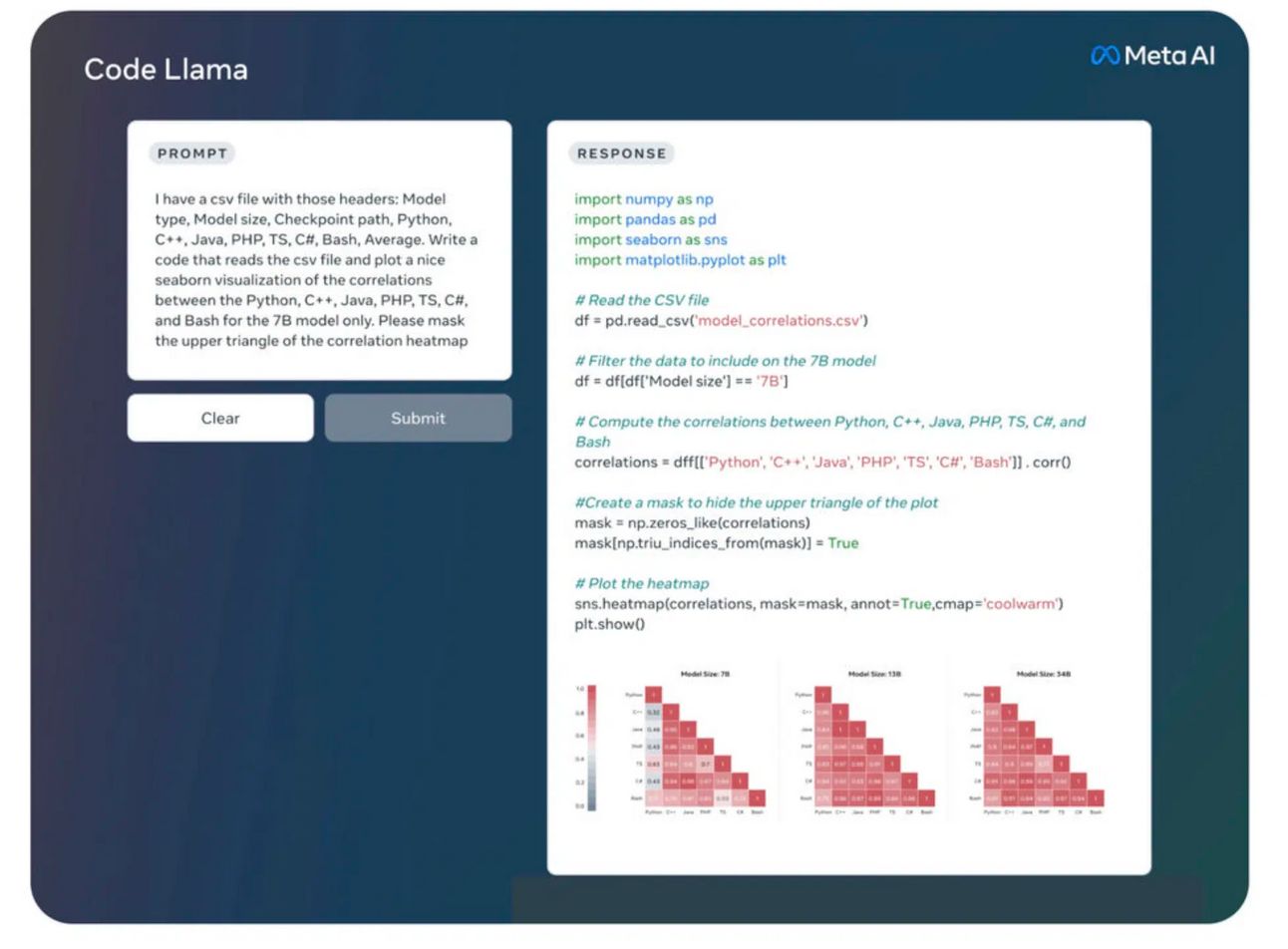
At the heart of Meta's AI ambitions is Llama, a large language model (LLM) that is gaining prominence in the AI community. Similar to Linux in the world of operating systems, Meta positions Llama as an open source alternative to leading AI models like GPT from Microsoft-backed OpenAI and Google's PaLM 2.

The Power of Open Source
Meta's strategy is to make Llama and related generative AI software open source, providing them to developers for free. This approach diverges from the traditional software licensing and subscription models. Meta believes Llama can become the digital infrastructure for the next generation of AI applications, just as Linux did for modern internet infrastructure.
The Wall Street Enigma
Valuing Llama in the eyes of Wall Street can be challenging due to the complexities of AI research and infrastructure. Meta is making significant investments in building and improving Llama, which includes the updated Llama 2. While the July announcement of Llama 2 introduced a commercial license for integration, Meta primarily focuses on benefiting from partnerships with cloud-computing companies.
The Road Ahead for Meta and Llama
Mark Zuckerberg has emphasized the long-term potential of Llama, expecting it to offer efficiency gains and reduce AI software costs. Meta's pursuit of Llama isn't just about profit; it's about attracting top AI researchers, improving AI software, and contributing to open source development.
Challenges and Controversies
Meta's open source approach isn't without controversy. Some consider Meta's licensing agreement for Llama 2 limiting and conflicting with the spirit of collaboration. Third-party developers must request approval for certain uses, and some view this as a way to restrict competition.
Meta's Reputation Challenge
Meta's reputation in Washington, D.C., has faced scrutiny, which may influence some agencies' choices regarding AI models. Despite challenges, Meta is committed to building AI responsibly and providing resources to ensure responsible use.
A Competitive Landscape
Meta faces competition from tech giants, startups, and open source projects in the race to define the future of AI. Companies like Amazon, Google, and OpenAI are all vying to be the foundation of the next generation of applications. However, Meta's open source philosophy sets it apart, democratizing access to AI technology.
Conclusion:
Meta's foray into AI and open source presents a fascinating narrative in the ever-evolving tech world. While Llama's value may be enigmatic on Wall Street, its impact on the technology industry could rival that of Kubernetes in the world of data center infrastructure. As Meta reinvents itself, it's clear that its approach to AI is a game-changer.

Thank you for joining us on this exploration of Meta's AI journey. Stay tuned for more exciting tech insights in our future newsletters.
Best regards,
LOki MeDia.